By Pepper, Head of Marketing for Alephium
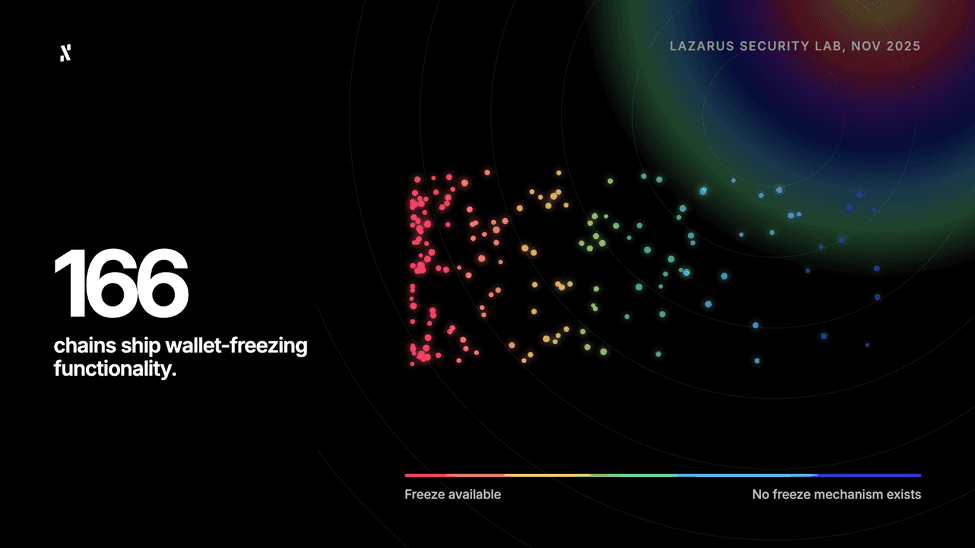
Last November, Person wey dey work for ByBit wey them dey call Lazarus Security Lab publish one research wey discover say 166 blockchains get functionality wey fit freeze people wallet. As people hear this kind thing, e cause serious matter as per that time, but I carry for mind say plenty people never understand true true how important the matter carry be.
Na 166 blockchains wey dey knack hand for chest dey call themselve say them be decentralised be this. But if the blockchain carry technical ability to freeze person assets, then you fit talk say the system no really be decentralised true true. Simple. Abi maybe the matter no really dey simple?
Make we carry Sui do example. Sui been publicly freeze people moni after one hack, and dem knack hand for chest defend the decision say dem do am to protect people. But for that kind thing to happen, Person gats make the decision wey no easy atall. And Person — maybe the same person or group — need to collect the keys or authority to run am. At least, na wetin many people carry for mind that time.
But make you see wetin really happen true true. As dem carry freeze around $162 million worth of moni wey dem theif after the May 2025 Cetus Protocol hack, na Sui validator community put leg for ground do this one. Dem use validator-level configuration files join am with Sui's Deny List mechanism wey dey built-in.
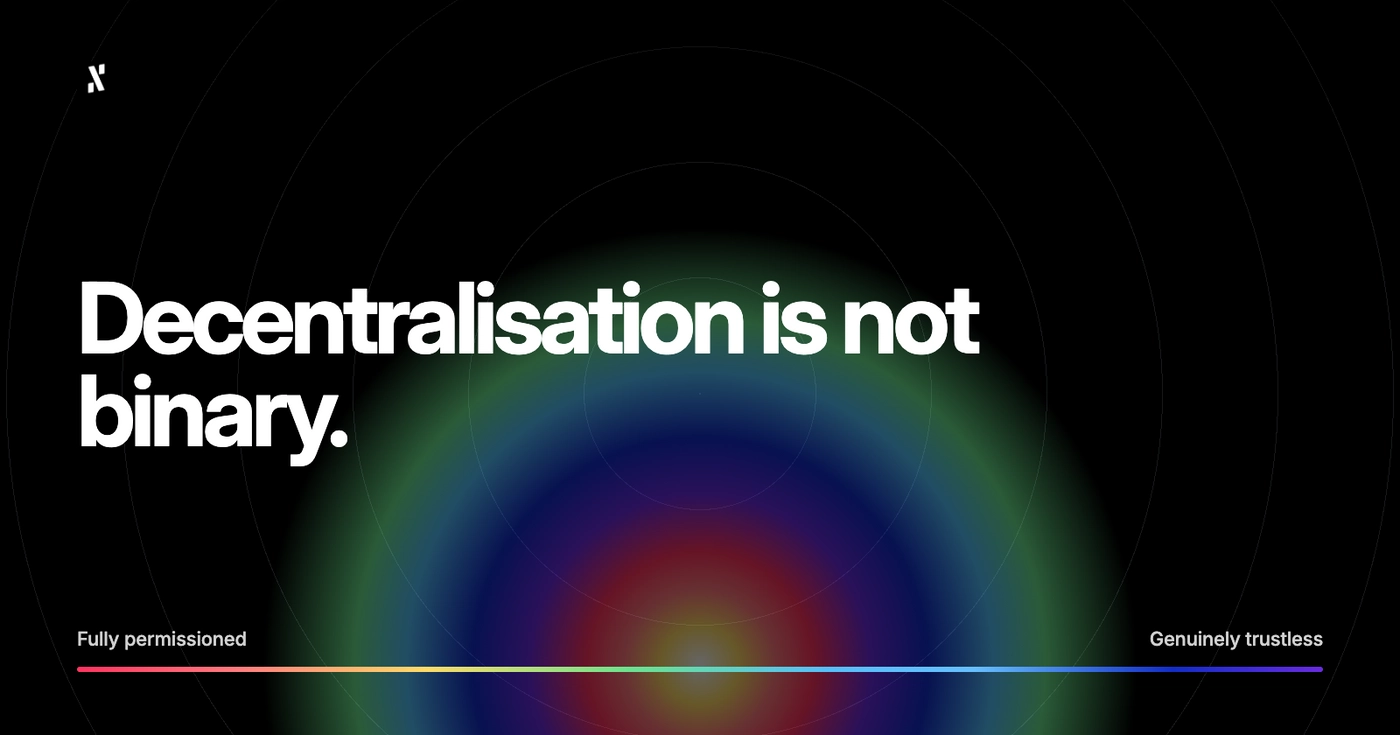
So the action no dey completely centralised. But e been no dey completely decentralised too. And na for here my main point enter: Decentralisation na spectrum. This one na something wey e never tay when I accept am into my own crypto belief system. By the time wey you finish this article, you go understand why the answer to whether something na decentralised no fit really be: “Yes” or “No.”
The Cypherpunk Perspective
I no carry for mind say cypherpunks go dey surprise about Sui and the other 165 blockchains wey get wallet-freezing ability and kill-switches. The goal of the cypherpunks be say, as I write for my previous column, na to achieve guarantees from physics and mathematics, instead of to depend on: laws, promises, authority, or Person good intention. They understand say even before all these blockchains commot, the talk “decentralised” go eventually become almost nothing pass a marketing word. They know say the real truth wey concern decentralisation go hide somewhere deep inside the architecture.
For January this year, I been write about permissioned L1s and the kill-switch problem. Today, I no think say every blockchain wey claim decentralisation dey lie. Instead, I believe say most chains dey somewhere along a spectrum of decentralisation. And that spectrum fit dey very difficult to properly measure or even describe. For this article, I go explain where I personally draw some of the lines. But make I talk true: Some of this na subjective talk.
The Talk “Decentralised” Don Do Plenty Work Wey E Never Chop Today
Decentralised don finally become: “The blockchain no get one obvious CEO.” But that no be wetin the talk mean true true. And that no be wetin the cypherpunks mean by am. Carry Alephium, do example. Alephium get Cheng and Maud, but the network still dey highly decentralised.
Make I give una some examples of things wey I believe say dey somewhere along this decentralisation spectrum:
— If blockchain get only small number of validator nodes maybe single digits or double digits e dey less decentralised compared with one wey get thousands of validators.
— If blockchain get foundation multisig with keys wey dem upgrade, e dey less decentralised than one wey no get such keys.
— If blockchain get legal entity wey dey registered under one particular jurisdiction, you fit look am then consider am slightly more centralised than one wey no get that kind legal structure.
If one dey company control the blockchain sequencer, then that system no be decentralised atall. If blockchain get emergency security council wey fit vote on certain actions wey dey happen during exploit, the system fit still dey decentralised depending on how the governance structure dey work. But if that council fit put hand for chest reverse or freeze transactions whenever dem want? Then I no go call that one decentralised.
All these things dey inside the normal architecture of many L1 and L2 networks wey dey operate today. The number of validators. Who get upgrade keys. Where the organisation dey registered. Who dey control wetin. And plenty other things. All of them matter when blockchain dey claim say him dey decentralised. How each project dey handle these things — and how transparent dem dey about them — dey determine how accurate the decentralisation claim really dey. But difference fit even dey between the marketing layer and the infrastructure layer. The marketer fit say: “Yes, we dey decentralised.” Meanwhile the developer dey shake head: “Hmm... no be exactly so.”
The Cypherpunk Test No dey Hard Like That
Eric Hughes write say privacy dey require systems where transactions dey reveal only the information wey dey necessary. If we carry that same principle extend am come decentralisation, the test go dey surprisingly simple.
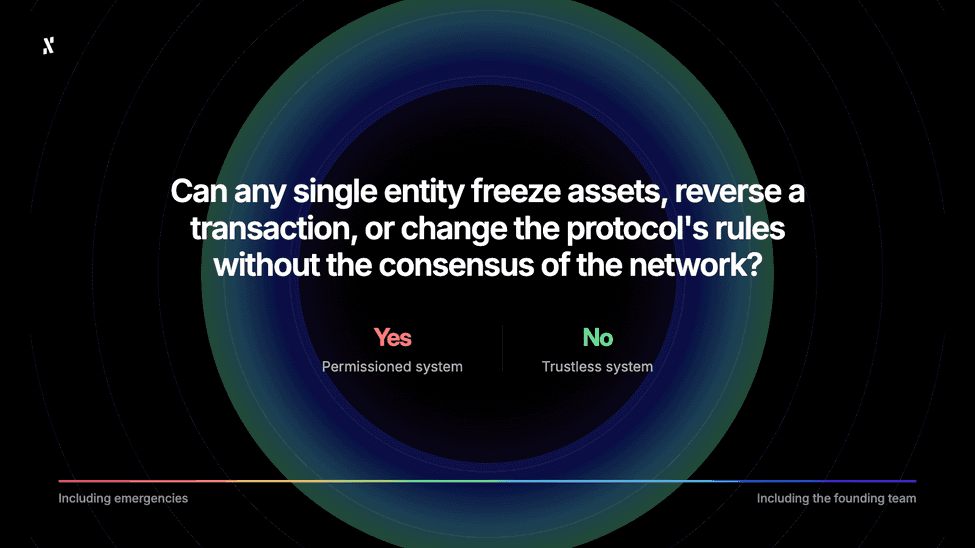
Ask yourself something: “Under any circumstance — wey also dey include emergency — can person wey get special authority override the system?” If the answer na yes, then you dey deal with a permissioned system. E fit be a very well-designed and trustworthy permissioned system. But me I no go personally call am fully decentralised, at least no be according to the original cypherpunk meaning of the word. If users dey treat a permissioned system like say e fully dey decentralised, dem dey give the system a level of trust wey dem never really look well well.
The cypherpunk position no be say permissioned systems dey evil. No. The point be say : Users deserve to know exactly the kind of system wey dem dey use.
So Where Exactly the Spectrum Dey Run?
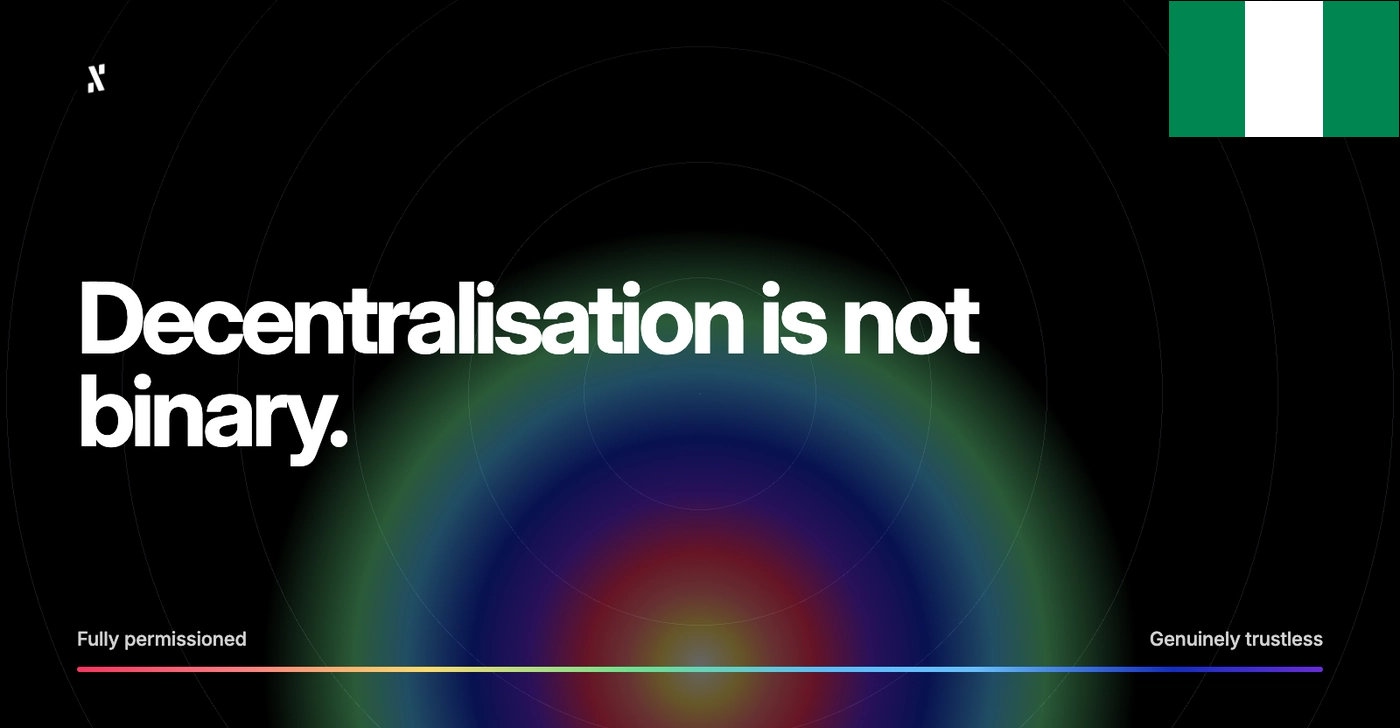
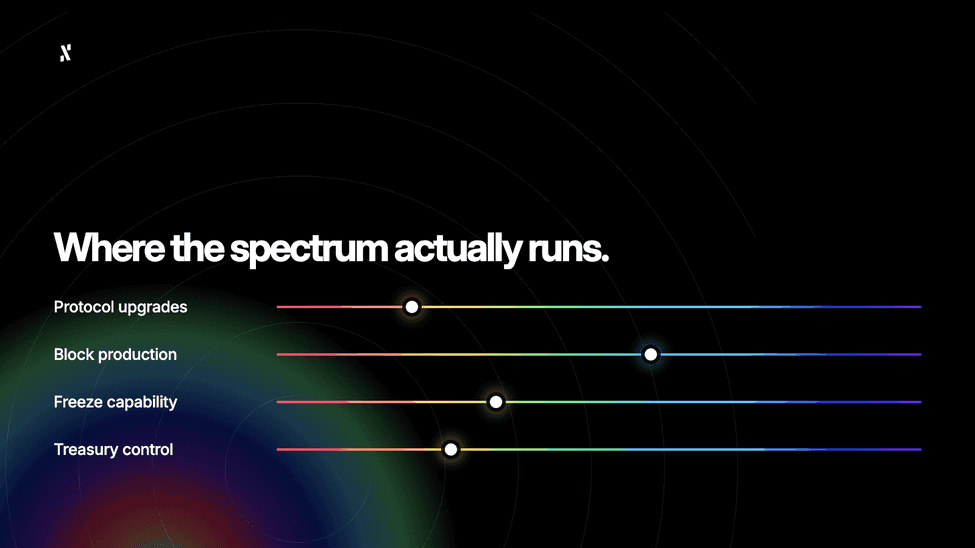
I dey imagine the spectrum to be like this: Fully permissioned dey one side. And genuinely trustless dey the other side. The major things wey matter for here include:
—Who dey control protocol upgrades?
— How distributed carry be block production?
— Weather person fit freeze an individual transaction or wallet?
— Who dey control the treasury or development fund?
At the permissioned end of the spectrum, you go see chains wey get: foundation multisigs, validator sets small enough for everybody to coordinate over one Zoom call, sequencers wey one organisation fit pause and legal structures wey create wetin dem dey call “accountability.” But sometimes, that “accountability” na simply another point of control.
When you move further along the spectrum and you go see chains wey block production dey distributed, but governance still dey concentrated. Maybe the validator set dey large, but the top 10 participants dey control a disproportionate amount of the stake. With these kind chains, trust don dey distributed enough to make coordination dey harder. But e never dey completely impossible.
Then, for the other side gon gor, you get Proof-of-Work blockchains wey: nobody get upgrade keys over the core protocol, block production dey distributed among thousands of independent miners, minimum entry requirement for mining no dey atall, and technical mechanism no dey exist for anybody to freeze wallet or reverse a transaction wey dey confirmed.
So Where Alephium Dey For This Talk? Now you fit dey ask for your mind say: “Okay, where Alephium dey for inside this spectrum?” Everything wey concern the system dey for public. But I fit tell you say we no get upgrade keys. Instead, we dey talk say make we use node software. Then node operators dey decide whether dem want run that software or not. And anybody fit sit down propose new node software. We also get plenti miners, even though e dey difficult to give one exact number. Finally, if person wan freeze wallet or reverse transaction for Alephium, the person go need to do complete hard fork of the Alephium network. And that one no be something wey we fit kukuma carry our own hand do. Na Only node operators dey choose to do that one.
Na real Pressure be Wetin Really Reveal the Truth
The most honest way to know where a blockchain dey really sits for decentralisation spectrum no be to read the whitepaper. Instead na to, look: Wetin dey happen when things scatter? We know say Sui been freeze moni because the network get the ability to do so. Another example wey dey for ground na the Ethereum Merge. The Merge been require validators wey come from different part of the world to put head together coordinate. And dem coordinate well well. That one prove something wey dey important: The ability to coordinate fit be strength, but e dey also show the level of control and coordination capacity wey dey inside the system. And na this exactly wetin I dey talk about:
Every emergency response wey dey inside crypto dey reveal the control structure wey normal operation fit dey hide.
Wetin Happen With Alephium Bridge? Dem being exploit Alephium bridge this year. Wetin Alephium people being do na to burn the unbacked tokens on-chain, dem come use a process wey anybody fit open eye verify. The blockchain himself gongor never stop. Dem being no freeze any person asset. No transaction wey dem confirm dey reverse at the protocol level. Dem been carry out the attack at the application layer, no be the base blockchain layer. And the base Alephium network been continue to operate exactly as dem design am to operate.
For me, this difference na one of the most important things wey dey when dem dey talk about decentralisation. Application vulnerability no be the same thing as protocol-level intervention. That difference matter true true when we dey measure how decentralised system really be.
The Talk Wey the industry Dey Avoid
Wetin ByBit research been reveal — and wetin I suspect for mind — be say many blockchains dey closer to the centralised side of the spectrum pass their marketing dey talk. That one no really be bad talk. Na simply the reality of blockchain engineering be that. Because genuine decentralised systems dey: wey dey much harder to build, wey dey slower to upgrade, and wey dey less flexible when people dey demand immediate user protection during crisis.
The cypherpunks people been understand this trade-off. And dem made their position clear: Guarantees wey come from mathematics no dey bend because emergency dey happen. And na exactly that thing dey make dem guarantees.
The Industry No Need Every Chain to dey Maximally Decentralised Make I end this matter by talking something wey I believe dey obvious: The crypto industry no need every blockchain to dey maximally decentralised. That one no be the issue. Wetin the industry really need na for users to understand where each blockchain dey actually sit for the decentralisation spectrum. Then users fit decide the amount of trust wey dem wan give that kind system. That trust suppose be: conscious and informed — no be something wey users go assume automatically.
P.S. Maybe one day we go see this kind transparency become normal thing for this industry. As things dey stand today, I no dey convinced say the Nakamoto Coefficient be necessarily the best way person fit use measure decentralisation. But e remain one method wey plenty people still dey use and carry their mind put.
Disclaimer
This is a community-run blog for third-party contributors. The views expressed here are those of the authors and do not reflect the official Alephium project. This content is for informational purposes only and does not constitute financial, legal or investment advice. Cryptocurrency carries risk and is highly volatile. Information may be incomplete or outdated. Always conduct your own research. We disclaim liability for any loss or damage resulting from reliance on this article.
Comments
Join the discussionNo comments yet. Be the first to comment.