Op-Ed by Pepper, Head of Marketing & Growth for Alephium
Abeg o: Wetin this writer dey talk for this matter na him own opinion, e no mean say na Alephium official stand. Visit the original article here.
After I don spend like eight and half years for Web3 industry, I don see plenty things wity this my eyes. Hype cycles dey always rise, carry big hope and “only go up” story, but before you know wetin dey happen e go still crash enter consolidation phase, plus other serious wahala wey full for ground — especially security level wey dey fall apart.
For first quarter of 2026, we see am happen again. Web3 projects throway over $450 million for plenti different attacks, as hackers and social engineering wayho still dey work well well. As Q2 start for our front, KelpDAO become the newest “biggest victim of the year” with $292 million loss.
If I look these numbers well well, I still carry for mind my strong belief say Proof-of-Work na better base layer for DeFi pass Proof-of-Stake. E dey more secure by design.
The Threat Don Change
For some years wey don pass, Web3 security palagba na mostly smart contracts wey dem no write well well. Na why bridges dey easy to target, and small blockchains and protocols dey always fall for organised cyber attackers. But today wey we dey talk, DeFi smart contract exploits don actually reduce by about 89% year-on-year which be better thing. This informe suppose make people happy wella, but e just dey show say the biggest losses no dey happen for code level again. Na operational and infrastructural weak points be the new entry way wey wayo people dey carry exploit.

We dey watch serious and fear fear increase for social engineering and better management attacks. The better and most recent informe wey I fit find, show say phishing and social engineering together cause over $306 million loss for the first 3 months of 2026. The biggest victim for this palagba na Drift Protocol, wey suffer six-month long social engineering attack wey North Korea-connected hackers direct. Instead of say make dem attack the chain cryptography gon gor, dem go compromise multiple multisig signers, bypass normal security completely.
As I talk for the last episode of Alephium Assemble, I waka meet some Drift team members for South Korea during ETHSeoul and Buidl Asia 2025. Dem be top devs and true true better people, and unfortunately na that “good people” nature follow cause how this wayo carry happen. Their trust open backdoor wey dem no carry for mind.
I don see bad belle people wey describe this kind situation as “shadow contagion”, which mean say one big protocol palagba fit spread bad debt enter plenti interconnected platforms like chain reaction. Carry for mind FTX, Bybit, Ronin, and plenty others. Hundreds of millions just waka commot in one moment, and e dey create one problem afater another of damage where real users dey suffer pass.
Another example na, the one wey suffer AWS cloud key compromise wey allow attacker mint about 80 million unauthorized $USR tokens. That compromise scatter systemic bad debt well well across multiple lending protocols wey depend on am downstream.
Since I start to dey write the first draft of this informe, more hacks still don happen like KelpDAO and Volo Protocol. The rate way attacks carry dey happen dey so fast say e fit be say another exploit don already happen between when I write this sentence and when this write-up go publish.
So the question be say: at what point we go open eyes up realize say DeFi dey under serious attack, retail users dey waka commot (if dem never already commot), and unless we put better stronger foundation for ground, dem no go come back again?
Make DeFi Safe Again
As one security researcher talk now now about the Drift hack, him talk say: “the default path must be the secure one.” I agree with wetin him talk well well. If users and developers dey forced to carry mind put for complex off-chain key management just to commot big system collapse, then the base architecture gon gor get better problem.
Why Alephium na "Safe Harbor" for 2026
► Proof-of-Less-Work (PoLW): Alephium still dey maintain the decentralized and censorship-resistant nature wey traditional Proof-of-Work networks get, but e don reduce energy consumption by about 87%. E achieve this through a special system wey combine physical mining work with coin-burning economics.
► Stateful UTXO (sUTXO): Instead of using the account-based model wey networks like Ethereum and Solana dey use, Alephium dey run on a Stateful UTXO model. This system inherit the strong security of Bitcoin's UTXO structure, making am naturally resistant to many common hacks, while still allowing smart contracts to perform complex state changes.
► Built-in Protection Against Exploits:*
Alephium's virtual machine (Alphred) and programming language (Ralph) get security measures wey dey built inside from the beginning. These safeguards help prevent dangerous vulnerabilities like* re-entrancy attacks and unlimited contract approvals*, reducing the chances of smart contract exploits.*
► In simple terms: Alephium dey focus on security, decentralization, energy efficiency, and safer smart contracts, making am one of the blockchain projects many people dey watch closely for 2026.
This na exactly why Alephium be one of the most securely designed chains for the world. Our core dev team build Alephium on top of stateful UTXO (sUTXO) model. That one commot say unlike account-based EVM systems where one compromised point fit drain shared ledger, our own sUTXO design dey handle assets like isolated, secure physical units.
In short, wetin we do be say we mix Bitcoin-style strict accounting system with the programmability wey modern DeFi need. We don repair the base architecture so even if front door shake small, the vault go still stand gidigba- hold strong. Now na just more builders and DeFi users wey full for ground need to see, understand, and accept this — while dem go still dey fight plenti industry-wide FUD.

Solving Economic Fragmentation with Powfi
Security na only one part of the puzzle. The other part na economic sustainability. Since tay tay, the most successful dApps wey dey generate serious value no really dey let that value flow back to the base layer network or long-term participants. That one na missed opportunity (just waka look vs for 2025 and 2026).
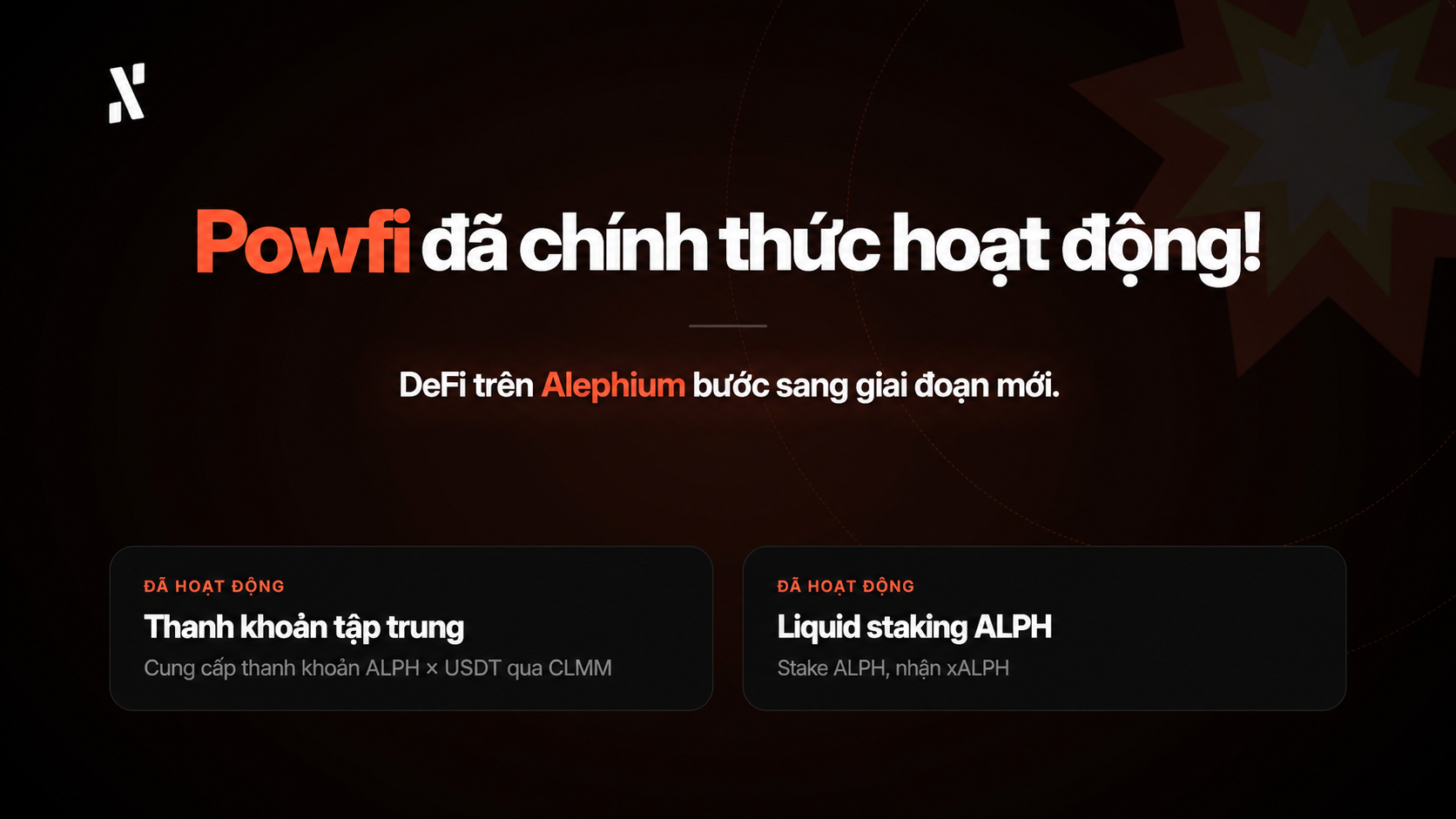
Alephium core dev team don propose solution through Powfi, wey enable “Phase Two: Aligned Economics”. To put am well, dem use our ultra-secure programming language (Ralph) build protocol-owned liquidity engine (DEX + $ALPH staking). The idea mix CLMM DEX with CPMM pools. As dem put all these pieces together, dem create ultra-secure and aligned ecosystem loop wey reduce fragmented value capture.
This one go start new era for $ALPH holders. I happy for the community well well—you don wait patiently wella, and all this work na for una. That na why transaction fees dey split between $ALPH buybacks and burns, plus staking rewards for $ALPH stakers. Your conviction dey contribute to long-term network health, so we carry for mind say liquid staking via xALPH, wey give asset productivity and continuous DeFi participation, go be big upgrade.
Building For Generations
Even though I just join Alephium last year, I don hear plenti times how dedicated the core dev team dey when e come to building superior tech. BlockFlow sharding na one example—e fit deliver 20k + Transactions per seconds (TPS) on PoW while e go still dey maintain single-chain user experience (no need for L2 complexity etc).

This one dey very strong for supporting real-world DeFi applications. And unless something we we no carry for mind happen, e go deliver am in a way wey fast, secure, and wey dey economically sustainable.
So for industry wey I love, but wey dey filled with kuru kere compromises, I believe say e fit become DeFi fortress and safe space. That one na the “no compromises” promise we don make—the “Web3 wey people suppose get” vision we believe strongly.
Na space wey go stand away from nation-state attackers and “shadow contagion”.
So yes o — delivering DeFi on PoW na urgent step to restore trust and alignment inside Web3, and that na position I go strongly stand by.
Disclaimer
This is a community-run blog for third-party contributors. The views expressed here are those of the authors and do not reflect the official Alephium project. This content is for informational purposes only and does not constitute financial, legal or investment advice. Cryptocurrency carries risk and is highly volatile. Information may be incomplete or outdated. Always conduct your own research. We disclaim liability for any loss or damage resulting from reliance on this article.
Comments
Join the discussionNo comments yet. Be the first to comment.